18 Oct 2026
Navigating Blended Digital Realms: Player Pathways in Sports and Gaming Hybrids

Hybrid platforms that combine sports betting with casino gaming elements have expanded rapidly since the early 2020s, and researchers track how individuals move between these features on single accounts. Data from multiple jurisdictions shows users often begin sessions with live sports events before shifting to slot or table games during breaks in play. Studies indicate this pattern holds across regions where operators offer integrated wallets and shared loyalty programs.
Platform Structures and User Entry Points
Operators design interfaces that allow seamless switches between betting markets and casino sections, and analysts note that mobile apps account for the majority of such transitions because push notifications keep users engaged across both areas. Figures released in October 2026 by the Nevada Gaming Control Board revealed that hybrid account holders averaged 3.2 distinct game types per session compared with 1.8 on standalone sportsbooks. Those who studied login timestamps found that evening hours produce the highest crossover rates, while daytime users tend to stay within sports markets longer.
Entry points vary by marketing channel: email campaigns focused on upcoming matches drive initial sports activity, whereas banner ads for progressive jackpots pull users directly into casino lobbies. Observers note that once inside the casino section, many players return to live betting when in-play odds update, creating looped journeys rather than linear ones.
Data Tracking Methods Across Regions
Regulators and platform operators employ session logs, heat maps, and device fingerprinting to map these movements, and academic teams at institutions such as the University of Nevada have published papers on the resulting datasets. One analysis examined over 12 million anonymized sessions and identified clusters where sports-to-casino shifts occur within 90 seconds of a bet settlement. Similar patterns appear in reports from the Australian Communications and Media Authority, which documented comparable crossover frequencies in licensed venues during 2025.
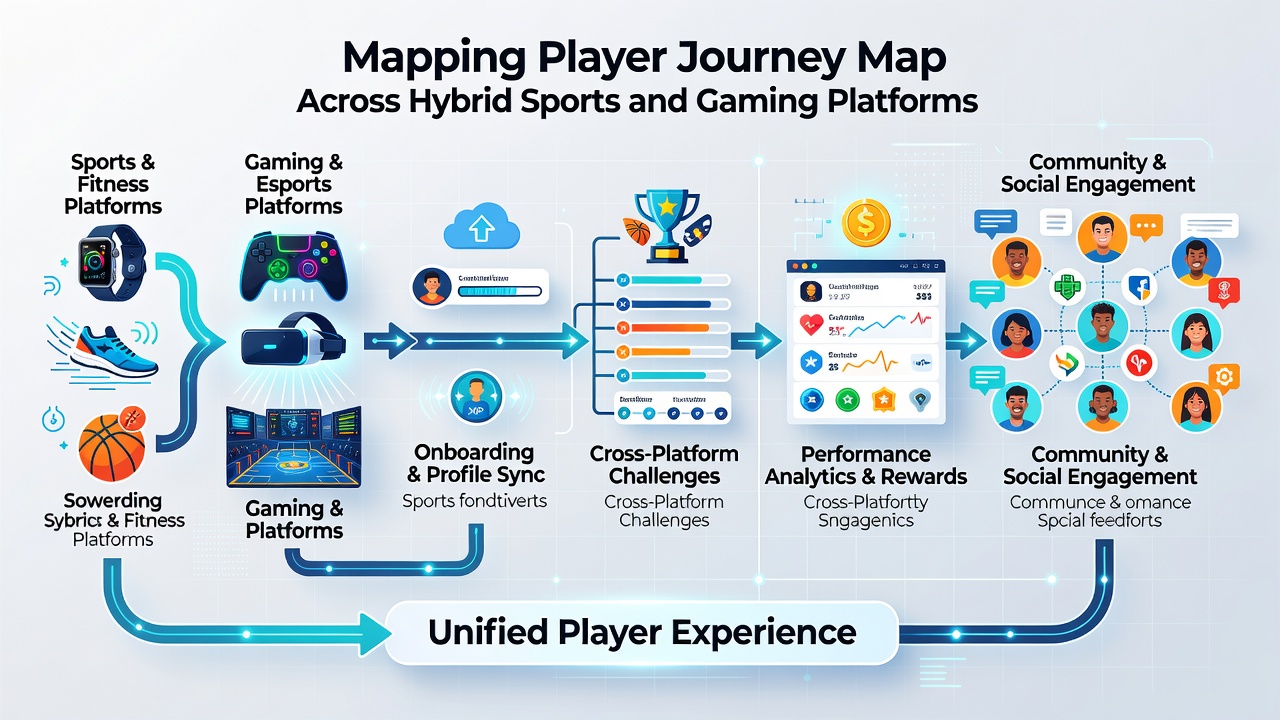
Geographic differences emerge when bonus structures change: Canadian provincial frameworks that cap casino promotions show lower shift rates than markets with uncapped free-spin offers. Experts who reviewed transaction records observed that loyalty point multipliers tied to both verticals increase repeat crossovers by measurable margins.
Behavioral Segments and Journey Lengths
Segmentation studies divide users into groups based on primary entry activity and subsequent transitions. Sports-first users who later sample casino titles tend to maintain longer overall session durations, whereas casino-first users return to sports markets mainly during major tournaments. Research indicates average journey length across both categories reached 47 minutes in the third quarter of 2026, up from 39 minutes the previous year.
Case examples from platform telemetry show one cohort that alternates between tennis betting and roulette during changeovers, while another group follows football matches with video poker during halftime. These micro-patterns help operators adjust real-time recommendations without altering core game rules.
Regulatory Influences on Journey Mapping
Rules on account funding and responsible gaming tools affect how freely players navigate hybrids, and jurisdictions that require separate wallets for sports and casino activity record fewer transitions. The International Association of Gaming Regulators compiled comparative tables in late 2026 that placed North American and European frameworks side by side, highlighting where shared-balance models produce denser journey graphs.
Operators respond by surfacing responsible gaming prompts at transition moments rather than at fixed intervals, and compliance teams monitor whether these interventions alter the mapped pathways. Data shows minimal disruption to overall volume when prompts appear after settlement rather than mid-bet.
Conclusion
Mapping player journeys across hybrid sports and gaming platforms relies on continuous collection of session, transaction, and device data from diverse regulatory environments. Reports issued through October 2026 confirm that integrated designs generate repeated crossovers between verticals, and operators refine interfaces based on these documented flows. Continued analysis from academic and governmental sources supplies the metrics needed to understand how users traverse these blended ecosystems over time.