15 Nov 2026
Professional Sports and Digital Betting: Mapping Their Growing Connections
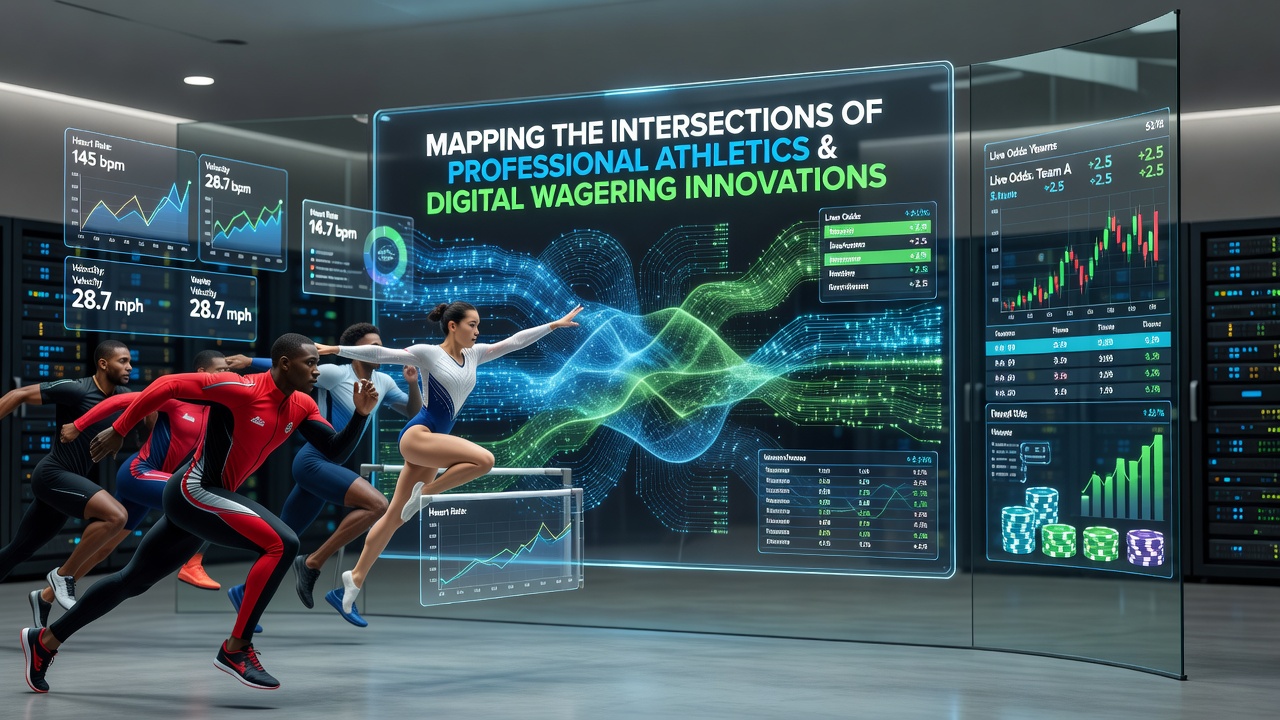
Professional athletics and digital wagering innovations have developed overlapping systems over the past decade as technology enables real-time data feeds, mobile platforms, and predictive analytics to merge athlete performance metrics with betting markets. These connections appear in multiple regions where sports leagues license data to operators while regulatory frameworks evolve to accommodate new tools.
Data Integration and Real-Time Analytics
Leagues collect vast amounts of player statistics through wearable sensors and tracking systems, then share portions of that information with authorized wagering platforms under structured agreements. In November 2026 several North American leagues expanded these partnerships to include live micro-betting options tied directly to on-field events, and similar arrangements operate in Australia where state regulators oversee data-sharing protocols between the Australian Football League and licensed betting entities.
Operators use this information to adjust odds dynamically during games, while platforms incorporate machine learning models that process historical athlete data alongside current conditions such as weather or injury reports. Research from university programs focused on sports science shows these models improve accuracy in certain market segments, although outcomes still depend on the quality of incoming feeds and the regulatory limits placed on data usage.
Technological Platforms and Mobile Access
Mobile applications now serve as primary interfaces for both sports viewing and wagering activity, with features that combine live video streams, statistical overlays, and instant bet placement within single screens. Developers integrate augmented reality elements in some products to display player trajectories or probability graphics directly over broadcast footage, and these tools appear in markets across Canada and parts of Europe where licensing regimes permit such functionality.

Payment systems within these applications link to banking networks and digital wallets, allowing rapid deposits and withdrawals that comply with regional financial regulations. Industry reports from organizations such as the American Gaming Association document steady increases in transaction volumes tied to sports events during major tournaments, while operators continue to refine security protocols to meet standards set by payment card networks.
Regulatory Developments Across Regions
Government agencies in different jurisdictions have introduced rules addressing the use of athlete data in wagering products and the advertising of betting services during sports broadcasts. Canadian provincial regulators, for instance, require explicit consent mechanisms when personal performance information enters betting algorithms, and similar provisions appear in recent European directives that distinguish between entertainment content and gambling promotions.
Enforcement actions in late 2026 targeted platforms that failed to separate official league data from unofficial sources, resulting in updated compliance requirements for operators. These measures aim to maintain integrity in both athletic competitions and wagering markets without restricting technological advancement, and industry associations track how such rules affect product development timelines across borders.
Athlete Involvement and Sponsorship Structures
Professional athletes and teams participate in sponsorship arrangements with wagering companies in jurisdictions where such partnerships remain legal, often featuring branded content that highlights responsible participation messages alongside promotional material. Some leagues maintain internal policies that restrict active players from direct endorsements while permitting team-level agreements that fund community programs.
These structures generate revenue streams for organizations and create visibility for betting brands during events, yet they also prompt ongoing reviews by player associations concerned with image rights and data ownership. Observers note that transparency requirements around these deals have increased, with disclosure statements now common in broadcast segments and digital campaigns.
Emerging Tools and Future Integration Points
Virtual and mixed-reality environments under development allow users to simulate game scenarios using real athlete statistics, creating practice spaces that blend entertainment with betting elements. Developers test these systems in controlled markets, and early deployments show integration with existing mobile platforms rather than standalone products.
Blockchain-based verification tools also enter the sector to authenticate betting transactions and track data provenance from league sources to end users. Organizations such as the Responsible Gambling Council examine how these technologies might support player protection features like spending limits and self-exclusion lists, while research continues into their scalability for high-volume events.
Conclusion
The intersections between professional athletics and digital wagering continue to expand through shared data systems, mobile platforms, and sponsorship models that operate under varying regional rules. As of November 2026, these connections reflect ongoing adjustments by leagues, operators, and regulators seeking to balance innovation with established standards for competition integrity and consumer safeguards. Further developments will likely center on new verification methods and refined data protocols that address both technological capabilities and oversight requirements across multiple jurisdictions.